
Collin County Connects Committee, Week 2
The city asks the committee to rank residents against each other to see who gets rides and who gets left behind

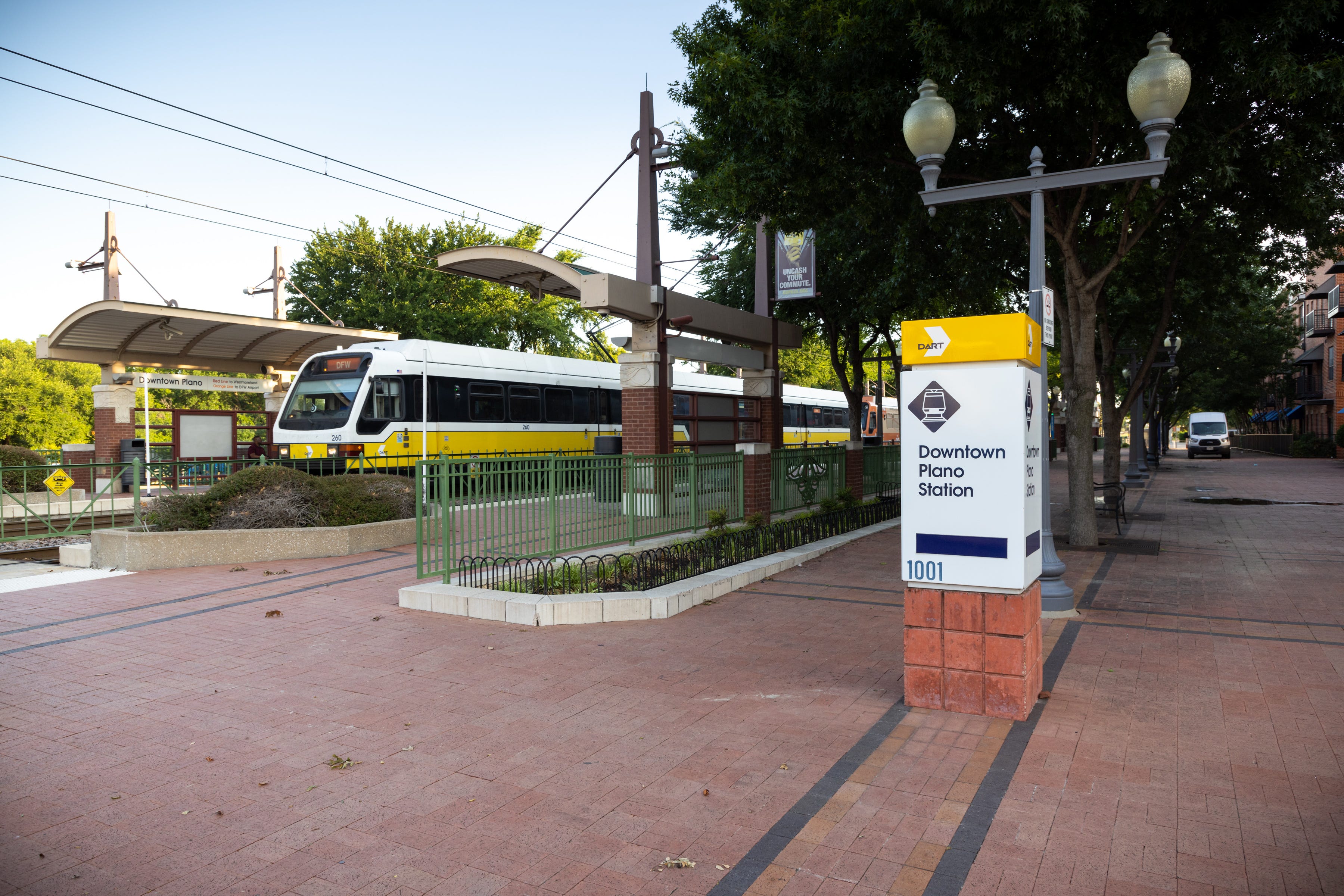
Last week saw the stunning conclusion of Plano’s Collin County Connects Committee. The first meeting of the week was presentations from two more vendors, and the second meeting was the grand finale to discuss what the committee would recommend. Once again, I was in the room for both of these. Once again, what I observed was not excellence.
We released a press release Friday night covering week 2 and the committee as a whole. Plus, DATA member Alex wrote an excellent article covering their thoughts on week 2, and friend of DATA Keep DART in Plano wrote up a statement on their site. If you haven’t read them yet, I strongly recommend it.
I won’t rehash those here. Instead, I’d like to cover how the city of Plano has tasked the committee with choosing which residents are higher priority than others and which residents get stranded.
The $4m that Plano has budgeted is nowhere close to enough money to replicate the service that Plano currently receives from DART. All three vendors indicated that the services received are, of course, dependent on which services the city purchases and how much the city budgets for each service. Frustratingly, none of the vendors were able to give anything more specific than that because Plano hasn’t provided basic requirements.
Three of the priorities that the committee was asked to weigh are service hours, wait times, and accessibility. Anybody who has read Human Transit (and if you’re interested enough in transit to read this post, you should!) knows that these are fundamental tradeoffs in a transit system. A dollar spent increasing frequency is a dollar that can’t be spent increasing operating hours, and a dollar spent on paratransit is a dollar that can’t be spent on a bus. Basic economics.
But in a traditional system, the money for a route is allocated up front. Why does it take so dang long to make service changes? In part, it’s to make sure it’s in the budget, and if it’s not, what has to be reduced to make room for it. There is no risk that DART is going to say “Oops, the 22 isn’t running today because it overran its budget.”
But these vendor based microtransit systems turn all that on its head! All three vendors were clear: The services the city receives is based on what the city chooses to purchases, and the costs are accrued in real time. Via told us point blank, the city sets a “No more than” budget amount. When the money runs out, services stop.
With an anemic $4m, the question is not if it’s going to run out; it’s when. And when it does, who gets stranded? Will it be your grandmother, who can’t get to her dialysis appointment because the paratransit budget ran out? Will it be your friend who can’t get to work or to church because the service doesn’t run on Sundays? Will it be the drunk fan at the bar, who now can’t get a ride home because service ended at 9?
Choosing between these groups is not a decision we have to make today. Regular bus and train routes are predictable and can be planned around. While micro and paratransit are still per ride, they don’t just run out of money and stop. But now Plano has tasked the committee with choosing which of these is the highest priority. This isn’t excellence. It’s regression. It’s the city choosing to be worse because of one number on one table that they didn’t like. It’s rich that they cite “equity” as the reason behind doing this.
Once again, the only acceptable response is for Plano to abandon this foolhardy approach. On Tuesday, December 16, 2025, at 7:00 PM, Plano City Council will be receiving the report from the Collin County Connects Committee. The public will get an opportunity to speak! Show up to show your support for abandoning this course of action, and if you are a resident and comfortable doing so, sign up to speak!
What we need is even more investment in DART not less. We should have lines everywhere and even further north. They are wasting such a great investment for the city and for the entire area. Not to mention they are committing to this being a car run city which does not do well for our environment.
Seems abandonment makes the most sense. Not worth the money for so few riders.